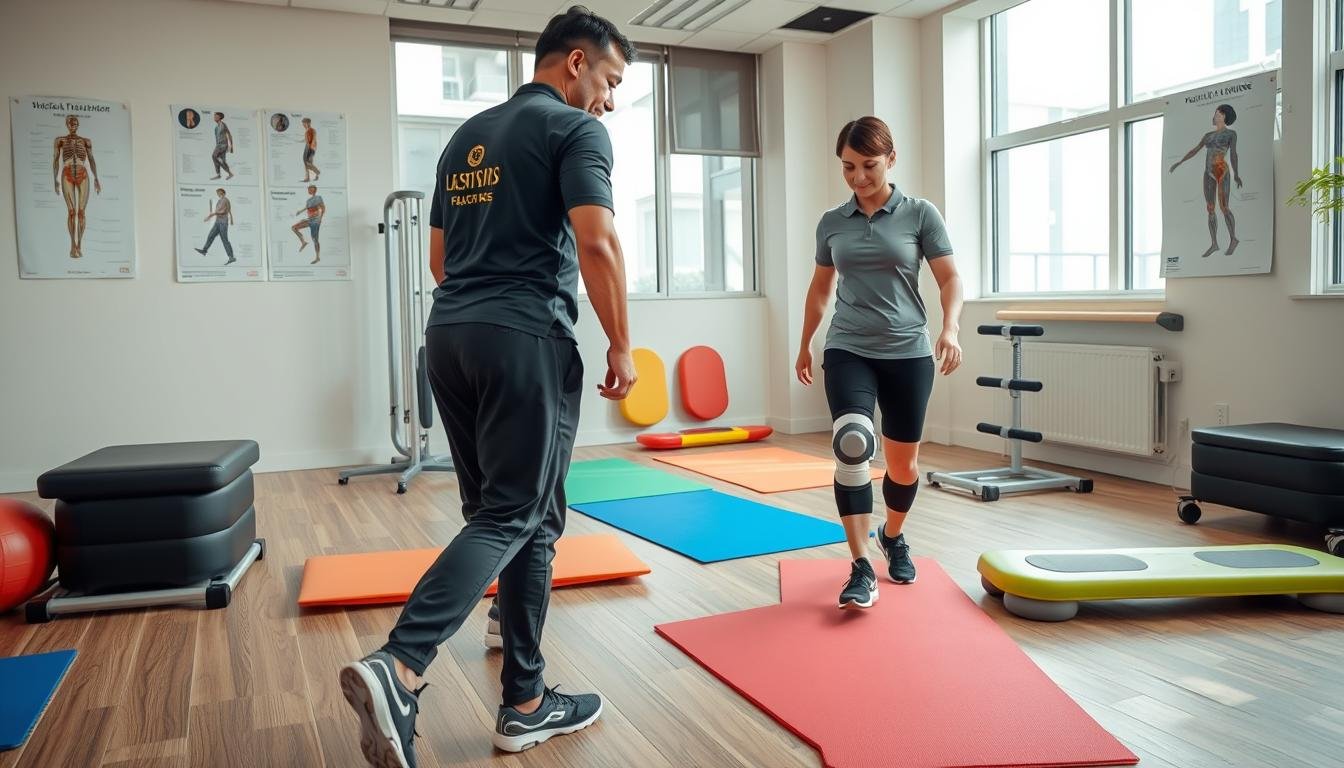
Imagine waking up one morning, excited to hit the gym after months of rehabilitation. You had an ACL injury, and the journey to recovery felt endless. Yet, you knew that ACL rehab HK would guide you through this challenging time. The focus on neuromuscular control in ACL rehabilitation Hong Kong is crucial for anyone wanting to regain strength and confidence. You learned that it is not just about rebuilding muscle but also about retraining your brain and body to work together effectively.
At ACL rehab HK, you discover that integrating neuromuscular control drills into your routine can significantly enhance your recovery. These specialized exercises help restore your motor coordination and proprioception, which are often compromised after an anterior cruciate ligament injury. By emphasizing these drills, ACL rehabilitation Hong Kong aims to ensure that you are not only prepared for daily activities but also for a safe return to sports. The combination of advanced neurocognitive techniques and physical training at ACL rehab HK sets the stage for a successful recovery journey. You will find that with each session, the support from ACL rehab HK helps you regain confidence and stability, making your path to recovery not just a physical endeavor but a holistic experience.
Key Takeaways
- Neuromuscular control is essential for ACL recovery.
- ACL rehab HK focuses on restoring coordination and balance.
- Proprioception plays a key role in preventing reinjury.
- Tailored programs address individual recovery needs.
- Advanced techniques bridge the gap to full functional recovery.
How Does ACL Rehab HK Incorporate Neuromuscular Control Drills?
In ACL injury recovery HK, integrating neuromuscular control drills is vital. These specialized exercises help improve coordination, joint stability, and movement accuracy. By focusing on the connection between your brain and muscles, ACL surgery rehabilitation Hong Kong can optimize your recovery. The goal is to ensure you regain full functionality after an ACL injury or surgery.
Neuromuscular control drills involve various tasks that challenge your balance and agility. They often include:
- Balance tasks to enhance stability
- Reactive agility exercises for quick movements
- Plyometric activities that mimic sports movements
- Cognitive challenges to improve focus during physical activity
What Are Neuromuscular Control Drills?
Neuromuscular control drills are exercises designed to engage both your brain and muscles. They promote better communication between your nervous system and your limbs. This is essential in physiotherapy for ACL tear Hong Kong, as it helps you adapt to various physical demands.
Why Are These Drills Important for ACL Rehab HK?
These drills play a crucial role in your recovery. They help prevent future injuries by improving your overall movement patterns. When you perform these exercises, you train your body to respond effectively to different situations, which is essential for returning to sports or daily activities.
How Do They Address Gait Compensations?
After an ACL injury, you may develop abnormal gait patterns. Neuromuscular control drills target these compensations by:
- Enhancing your motor control
- Improving your balance and stability
- Encouraging proper movement mechanics
Incorporating these drills into your rehabilitation program is key to achieving a successful outcome. With focused training, you can expect to regain strength and confidence in your movements.
What Abnormal Gait Compensations Can ACL Rehab HK Target?
After an ACL injury, you may notice changes in your walking pattern. These changes are known as abnormal gait compensations. They often occur as your body tries to protect the injured knee. Left unaddressed, these compensations can lead to long-term issues. ACL physical therapy HK focuses on identifying and correcting these patterns during your recovery.
Common Abnormal Gait Patterns After ACL Injury
Some common abnormal gait patterns include:
- Reduced knee flexion during the stance phase
- Decreased weight-bearing on the affected limb
- Altered muscle activation patterns around the hip, knee, and ankle
These patterns can lead to further complications if not treated. Post-ACL surgery treatment Hong Kong emphasizes addressing these issues early in the rehabilitation process.
How ACL Rehab HK Tailors Programs for Individual Needs
Every patient is unique. ACL rehab HK creates personalized programs to meet your specific needs. This approach includes:
- Assessment of your gait and movement patterns
- Development of targeted neuromuscular drills
- Progressive rehabilitation phases to ensure a safe recovery
By focusing on your individual deficits, the rehabilitation process becomes more effective. You can expect to regain strength and improve your walking pattern, leading to a smoother recovery journey.
How Effective Is ACL Rehab HK in Improving Patient Outcomes?
ACL rehab HK has shown remarkable effectiveness in enhancing recovery outcomes for those recovering from ACL injuries or surgeries. Research indicates that incorporating neuromuscular control drills significantly improves knee function and reduces the risk of reinjury. These findings are particularly relevant in Hong Kong, where specialized anterior cruciate ligament physiotherapy is becoming more accessible.
What Evidence Supports the Use of Neuromuscular Control in ACL Rehab HK?
Clinical studies demonstrate that neuromuscular training can lead to better functional outcomes for patients. These programs not only improve physical capabilities but also emphasize neurocognitive integration, which is vital during advanced rehabilitation phases. This approach helps you regain confidence in your movements, making it easier to return to sports or daily activities.
What Can You Expect from Your Recovery Journey?
As you embark on your recovery journey with ACL reconstruction rehab Hong Kong, expect a tailored program that meets your individual needs. Your rehabilitation will focus on rebuilding strength, stability, and coordination. The goal is to ensure you feel ready and safe to resume your normal activities, minimizing the chance of future injuries.